
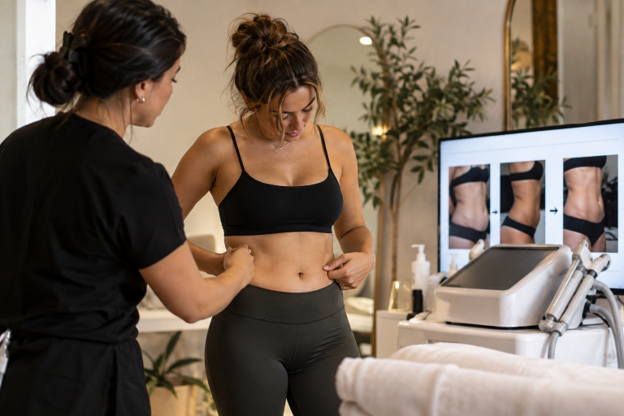
If you have ever stood in front of a mirror wondering why your stubborn fat just will not budge no matter how clean you eat or how often you work out, you are definitely not alone. Body contouring has become one of the most popular ways for people to deal with those stubborn pockets of fat that diet and exercise simply refuse to touch. But the question almost everyone asks before booking their first appointment is simple. How many sessions will it actually take before you see real results.
As a certified aesthetic practitioner, this is probably the question I get asked the most. I understand why people want a clear number. We live in a world where we expect instant answers for almost everything. Yet when it comes to body contouring, the honest truth is that there is no single number that fits every person perfectly.
What I can do is walk you through what actually happens inside your body during treatment, share what most people typically experience, and help you understand why a little patience really does pay off here.
What Body Contouring Actually Does Inside Your Body

Before we talk numbers, it helps to understand what is really happening when you go through a body contouring treatment.
Whether you are doing ultrasound fat cavitation, or radiofrequency, the goal is generally the same. These treatments work by targeting fat cells beneath your skin and either breaking them down or damaging them enough that your body can naturally flush them out over time.
Body contouring is a gradual process.
Your lymphatic system needs time to process and remove the damaged fat cells, and this usually takes several weeks after each session. That is why you will rarely see dramatic changes the very next day. Your body needs time to do its part of the work, and rushing it will not speed anything up.
Why There Is No Single Magic Number
I wish I could give every client a guaranteed number and promise an exact result, but that would not be honest or responsible advice. Your body is unique, and so are your goals.
Someone trying to smooth out a small area under their chin will need a very different treatment plan compared to someone working on their entire midsection or thighs.
Your starting point matters too. People with a larger amount of stubborn fat in one area will usually need more sessions than someone who simply wants to refine an area that is already fairly lean.
Your skin elasticity, your metabolism, your age, and how consistent you are with aftercare all play a part in how many sessions you might personally need.
What Most People Actually Experience On Average
While I cannot promise an exact number, I can share what tends to happen for most people based on real clinical experience and research.
On average, many clients begin to notice changes after around three to six sessions, depending on the treatment type and the area being targeted.
Smaller areas sometimes show visible improvement in as few as two or three sessions, while larger or more stubborn areas can need closer to six or even eight sessions spaced out over a few months.
This is genuinely an average and not a guarantee, because every body responds differently. Some people are simply faster responders, while others need a bit more time and consistency before they see the changes they were hoping for.
It also helps to look at how seriously people take these treatments once they understand what they are signing up for.
Research from the Australasian College of Cosmetic Surgery and Medicine found that Australians spend well over a billion dollars every year on hundreds of thousands of cosmetic procedures, and the large majority of those patients report being genuinely happy with their results.
This shows just how popular and how trusted these kinds of treatments have become among real people, not marketing claims dressed up as data. Numbers like these matter because they remind us that results are real and achievable when treatment plans are followed properly, even though every individual journey still looks a little different.
Factors That Change How Many Sessions You Need

A few things tend to influence your personal number more than anything else. Your treatment area plays a big role since smaller zones like the chin or arms often respond faster than larger zones like the abdomen or thighs.
The technology being used also matters because some methods work gradually over several sessions while others are designed to be combined with multiple visits for the best outcome.
Treatment area: smaller zones such as the chin or arms may respond faster than larger zones like the abdomen or thighs.
Technology used: some methods work gradually over several sessions, while others are designed around multiple visits.
Lifestyle and aftercare: drinking enough water, staying active, and eating a balanced diet support your body while it processes treated fat cells.
Your lifestyle habits matter as well. Drinking enough water, staying active, and eating a balanced diet all support your body while it processes the treated fat cells.
Skipping these basics will not undo your treatment, but it can slow down how quickly you notice your results. Your practitioner should also be assessing your progress along the way and adjusting your plan if needed rather than sticking rigidly to a number decided before you even started.
What Happens If You Stop Too Early
One of the most common mistakes people make is giving up after just one or two sessions because they expected an overnight transformation.
Body contouring is a gradual process, and your body simply needs time between sessions to clear out the treated fat cells properly.
Stopping early often means you miss out on seeing your full potential results, even though the early groundwork has already been laid.
Think of it a bit like watering a plant. You would not expect a seed to bloom into a full flower after just one watering, and your body works in a similar gradual way here. Sticking with your full recommended plan gives your body the best chance to show you what it is truly capable of.
Setting Realistic Expectations And Staying Patient
Real results take real time, and that is something worth embracing rather than fighting against.
Most people who stay consistent with their sessions and follow their practitioner’s aftercare advice end up genuinely satisfied with their outcome.
The key is choosing a qualified, certified practitioner who actually assesses your body and your goals rather than promising you a fixed number before even examining you.
A good practitioner will be honest with you from the very first consultation. They will explain what your body might need based on your specific goals, while also being upfront that this is an estimate rather than a strict promise.
That honesty is actually a good sign, because it means they are focused on your real results rather than just making a quick sale.
Conclusion
For most people, somewhere between three and six sessions tends to bring noticeable change, though some need fewer and others need a little more depending on their body and their goals.
What matters most is working with a certified practitioner who tailors a plan specifically for you, staying consistent with your sessions, and giving your body the time it genuinely needs to do its work.
Real transformation is rarely instant, but it is absolutely achievable when you approach it with patience, the right guidance, and realistic expectations from day one.