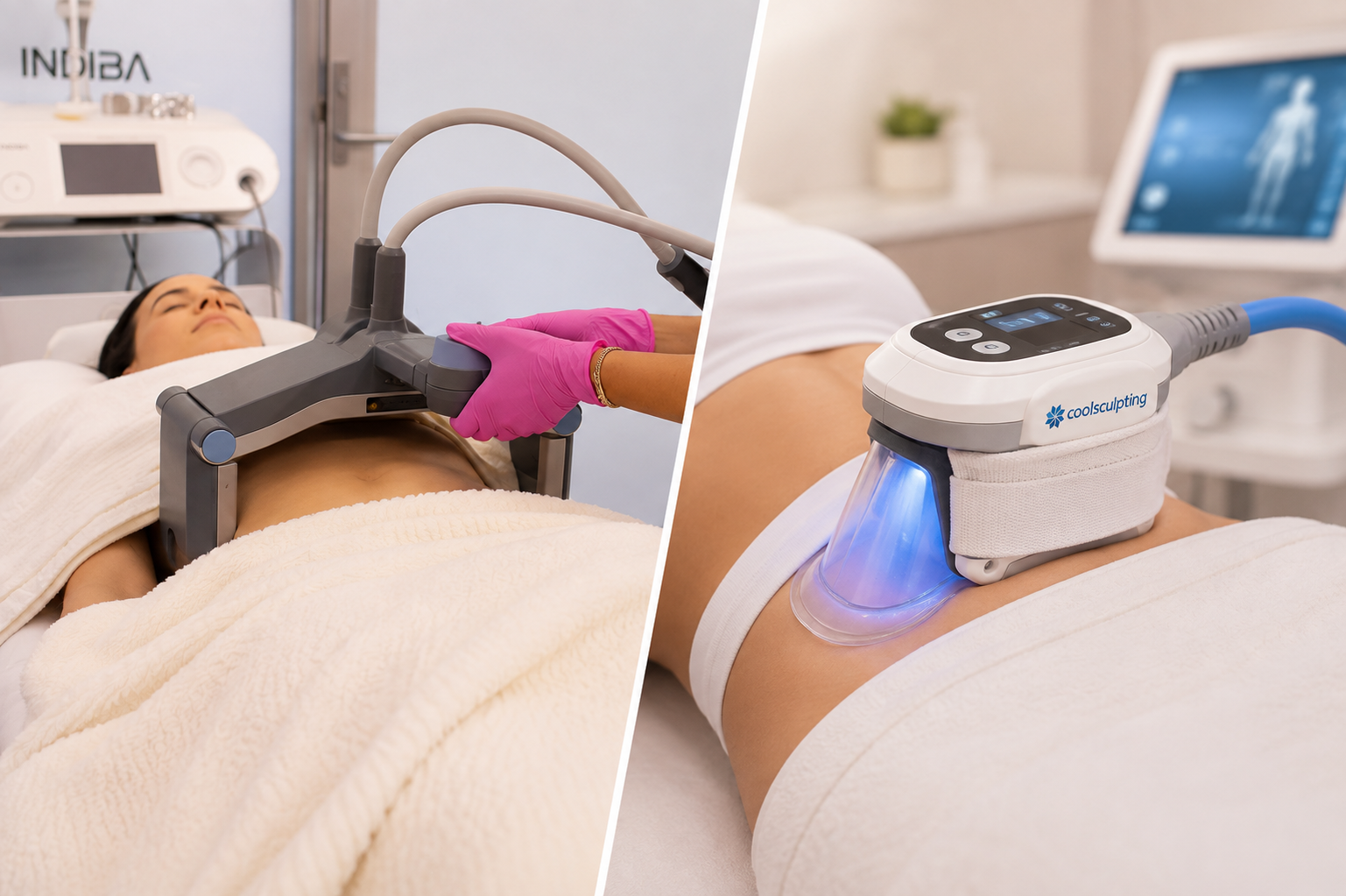
If you are trying to shift stubborn fat without surgery, two names come up again and again: Vanquish ME and CoolSculpting. Both are non-invasive, both promise real results without downtime, and both sound fairly similar until you look at how they actually work inside the body. Once you understand the mechanism behind each one, the winner becomes a lot clearer.
Vanquish ME tends to win for comfort, tissue safety, and even coverage across larger areas when you compare between Vanquish Me and CoolSculpting. It uses radiofrequency energy to gently heat fat cells until they naturally break down, with no freezing and no suction pulling on the skin. CoolSculpting still does a solid job, particularly on small, well defined fat pockets, but the process involves more physical stress on the treatment area than most people realise.
Key Takeaways
- Vanquish ME uses radiofrequency heat to trigger natural fat cell death. The device does not touch the skin and does not use suction.
- CoolSculpting relies on cryolipolysis, a freezing process that uses a suction applicator to pull tissue into a cooling chamber.
- Vanquish ME generally offers a more comfortable session and can treat larger, more even areas in one pass.
- CoolSculpting still performs well for small, precisely defined fat pockets such as under the chin.
- Neither treatment is a weight loss solution. Both work best on people already close to their goal weight who have specific areas of stubborn fat.
What Are Vanquish ME and CoolSculpting?
Vanquish ME is a contactless body contouring device that uses selective radiofrequency energy to heat fat cells beneath the skin. The applicator sits above the body without touching it, and the energy passes through to the fat layer to trigger a natural breakdown process.
CoolSculpting is the treatment most associated with cryolipolysis, a technique that uses controlled cooling to damage fat cells. A suction applicator pulls the treatment area into a cooling chamber, where the tissue is chilled to a temperature that affects fat cells while leaving the skin largely unharmed.
Both fall under what the FDA describes as non-invasive body contouring technologies, procedures designed to reduce localised fat without surgery.
How Each Treatment Actually Works in the Body
The mechanism behind each treatment explains almost everything else, from how the session feels to how even your results are likely to be.
Vanquish ME and Radiofrequency Heating
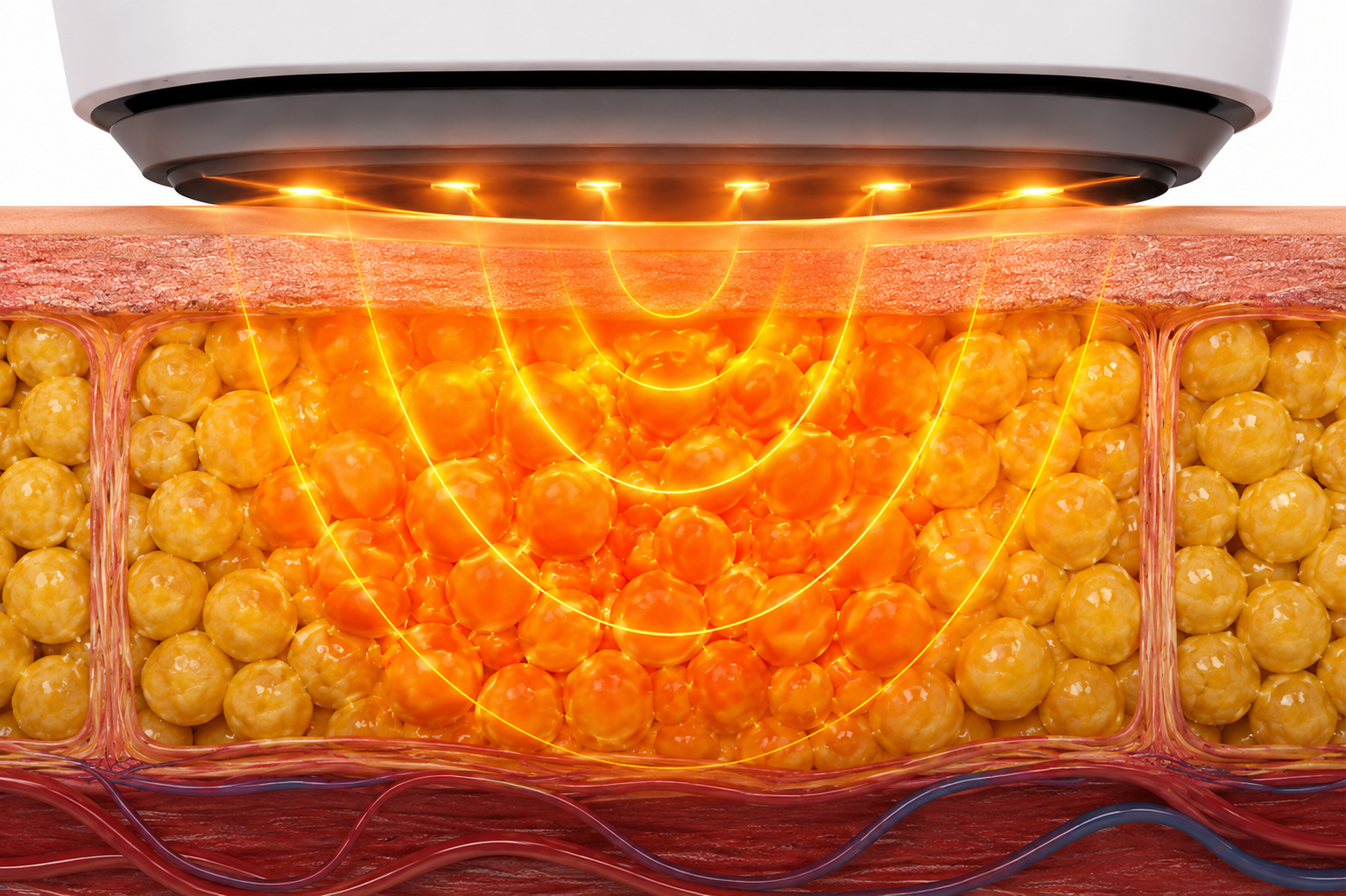
Vanquish ME raises the temperature of fat cells in the treatment area, usually the abdomen, flanks, or thighs. As the cells heat up, they undergo apoptosis, the medical term for programmed cell death. The heat effectively tells the fat cells to shut down naturally, and the body clears them through the lymphatic system over the following weeks.
Because the device never physically touches the skin, there is no pinching, no suction, and no pressure on the treated area. This also allows the energy to be delivered evenly across a wider surface at once, which is a big part of why sessions are often described as comfortable enough to relax through, rather than something you have to brace for.
CoolSculpting and Cryolipolysis
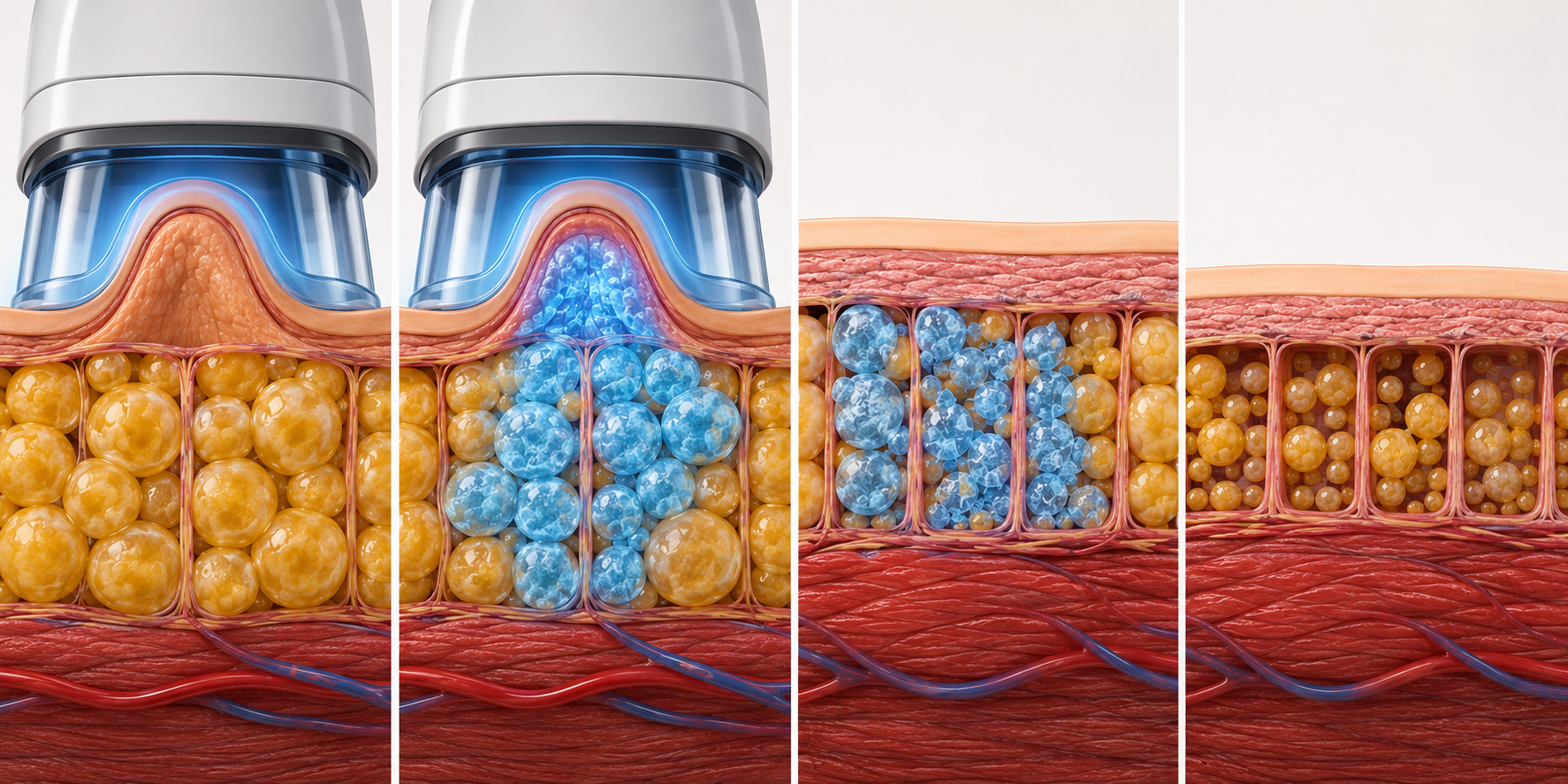
CoolSculpting works on the principle that fat cells are more sensitive to cold than the skin, muscle, and nerves around them. An applicator draws the target area into a cooling chamber using vacuum suction, then lowers the temperature enough to damage fat cells while sparing the surrounding tissue. This mechanism, known as cryolipolysis, has a long clinical track record and has been shown in studies to reduce up to 20 to 25 percent of fat in the treated layer over time.
The trade off is the suction and cold exposure. Many people describe an intense pulling sensation at the start of the session, followed by numbness as the area cools. The applicator also needs enough pinchable fat to work with, so very lean areas or fat sitting deeper below the muscle are not always suitable.
Vanquish ME vs CoolSculpting
| Feature | Vanquish ME | CoolSculpting |
| Mechanism | Radiofrequency heat triggers fat cell apoptosis | Controlled cooling freezes and damages fat cells |
| Physical contact | Contactless, no suction | Requires suction to pull tissue into the applicator |
| Comfort level | Generally described as gentle warmth | Intense pulling and cold at first, numb after |
| Treatment area coverage | Large, even surface areas in one pass | Limited to the size of the applicator cup |
| Sessions typically needed | Around 4 to 6 | 1 to 3 per area |
| Tissue stress | Low, no freezing or suction involved | Low overall, though bruising and swelling can occur |
| Best suited for | Larger areas like the abdomen and thighs | Small, well defined, pinchable fat pockets |
Why Vanquish ME Comes Out on Top
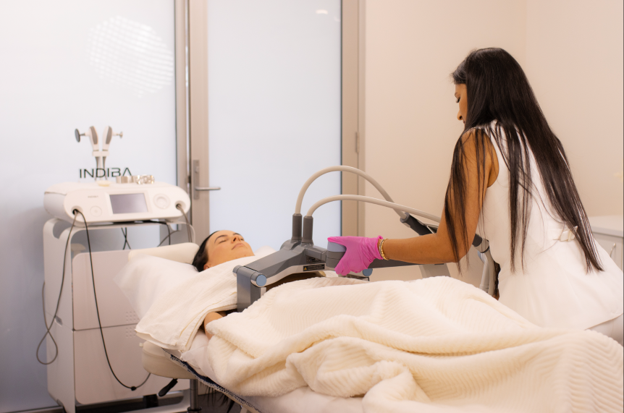
The core difference between these two treatments comes down to freezing versus heating, and that distinction matters more than it sounds.
CoolSculpting works by exposing tissue to controlled cold, which is effective, but freezing is still a form of injury the cells have to recover from, and the process depends on suction to hold the area in place throughout the session. Vanquish ME takes a gentler route. Instead of freezing anything, it heats fat cells just enough to trigger their natural death process, without any pulling, pinching, or cold exposure involved.
That lower level of physical stress is a big part of why people generally find Vanquish ME sessions more comfortable, and why it can be applied evenly across a wider area at once rather than working through the confines of a suction cup. Because it does not rely on pinching tissue into an applicator, it can also treat areas that might not be well suited to CoolSculpting, giving it an edge in flexibility as well as comfort.
None of this makes Vanquish ME a shortcut. Like any non-invasive fat reduction treatment, it works gradually over several weeks as the body clears the affected cells, and results still depend on your starting point and lifestyle. But when comfort, tissue safety, and even coverage are weighed together, it is easy to see why Vanquish ME is often the preferred choice for people comparing the two.
Where CoolSculpting Still Holds Up
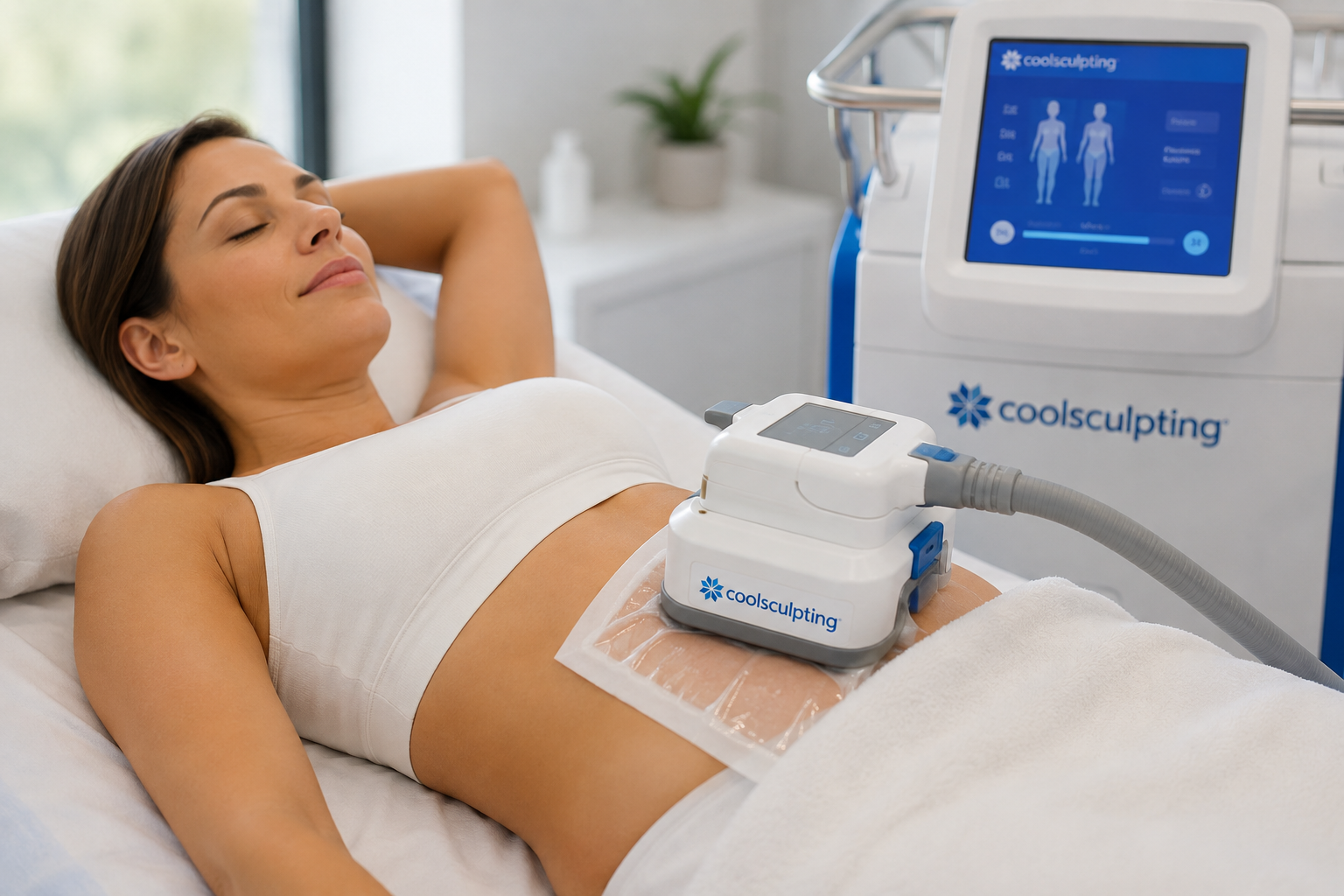
CoolSculpting earns its reputation for a reason. It is one of the most studied non-invasive fat reduction treatments available, with FDA clearance across a wide range of areas including the flanks, abdomen, thighs, arms, and under the chin, and decades of clinical data behind it.
It genuinely shines on small, precisely defined pockets of fat, particularly areas like under the chin, where a compact applicator can do a focused job that a broader radiofrequency treatment is not designed for. If your main concern is one specific small area rather than a wider region, CoolSculpting remains a solid, well researched option.
What Actually Determines Your Results
Regardless of which treatment you choose, a few things hold true across the board.
- Neither treatment is designed for significant weight loss. Both target localised, stubborn fat rather than overall body fat percentage.
- Good candidates are generally close to their goal weight already, with specific pockets of fat that have not responded to diet and exercise.
- Staying hydrated and maintaining a balanced diet in the weeks after treatment supports your lymphatic system as it clears the treated fat cells.
- Results build gradually over several weeks to a few months, so patience matters more than most people expect going in.
- A proper consultation, including an honest assessment of your treatment area and medical history, matters more than the marketing behind any single device.
How to Choose the Right Treatment for You
If comfort and treating a broader, more general area evenly are your priorities, Vanquish ME is generally the stronger starting point. If you have one small, well defined pocket of fat, such as under the chin, CoolSculpting’s precision applicators are worth considering instead.
This article is general information, not medical advice. Skin condition, medical history, and your specific goals all affect suitability, so a proper consultation with a qualified provider is the right next step before choosing between the two.
Conclusion
Vanquish ME and CoolSculpting both aim for the same result, less stubborn fat without surgery, but they get there through very different processes. Heating and freezing are not interchangeable, and that difference shows up directly in how comfortable each session feels and how evenly the results turn out. Based on mechanism, comfort, and flexibility across larger areas, Vanquish ME generally comes out ahead, while CoolSculpting still holds real value for small, precisely targeted areas. The right choice ultimately comes down to your specific goals, your treatment area, and a proper conversation with a qualified provider.
You can read more about how these non invasive body contouring technologies are regulated on the FDA’s official overview of non invasive body contouring.
FAQs
Is Vanquish ME better than CoolSculpting?
For most people, yes. Vanquish ME tends to offer a more comfortable experience and more even coverage across larger areas because it uses contactless radiofrequency heat rather than suction and cold exposure. CoolSculpting still performs well for small, precise, pinchable fat pockets.
Does Vanquish ME hurt?
Most people describe the sensation as a gentle, gradual warmth rather than pain. Because the device does not touch the skin or use suction, there is no pinching or pulling involved.
How many sessions does each treatment need?
Vanquish ME typically involves around four to six sessions, while CoolSculpting is often one to three sessions per treated area.
Which treatment causes less tissue stress?
Vanquish ME generally causes less physical stress because it relies on gentle heating rather than freezing tissue and using suction to hold it in place.
Can either treatment replace diet and exercise?
No. Both are designed to reduce stubborn, localised fat pockets in people who are already close to their goal weight. Neither is a substitute for a healthy diet, regular activity, or a broader weight management plan.